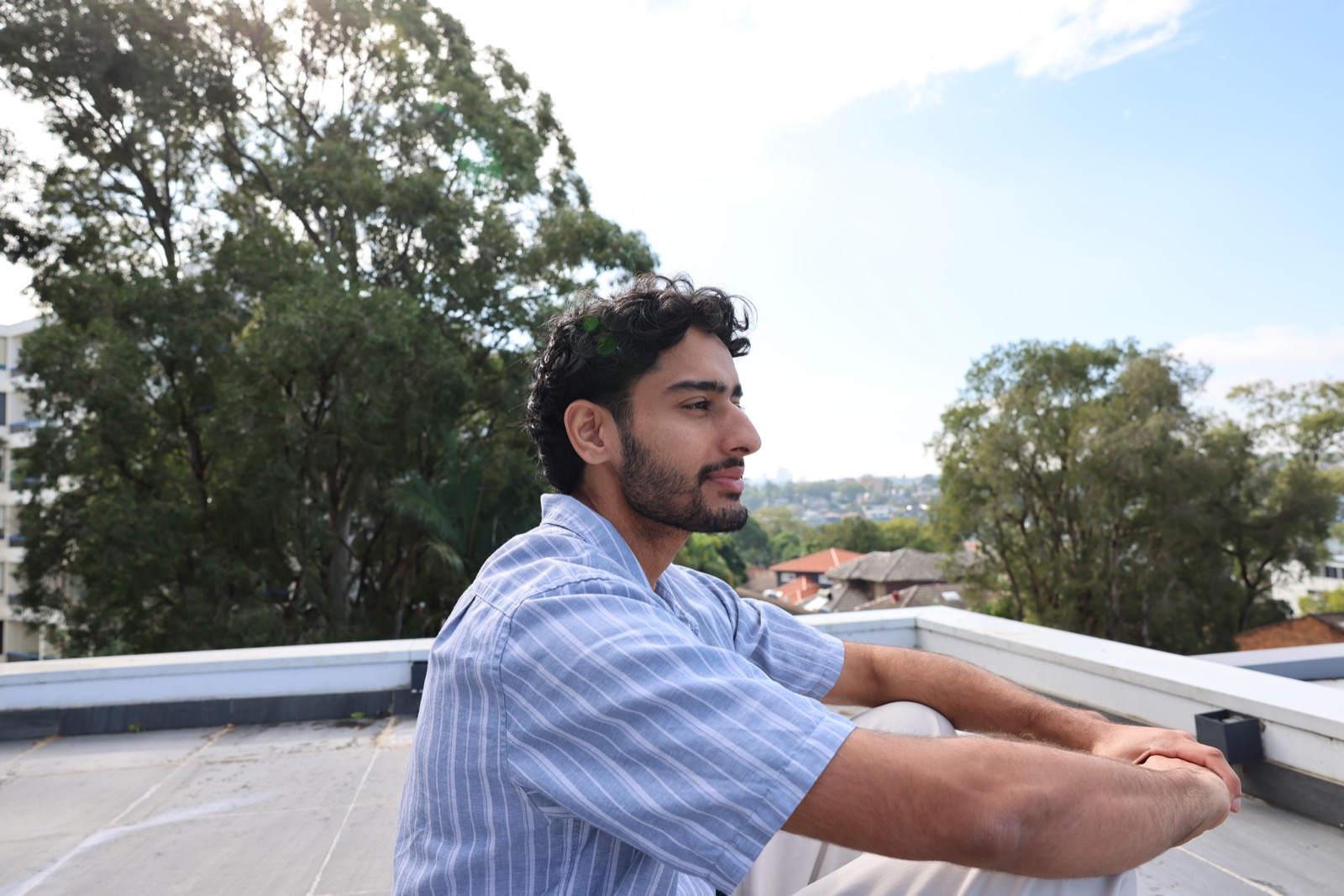
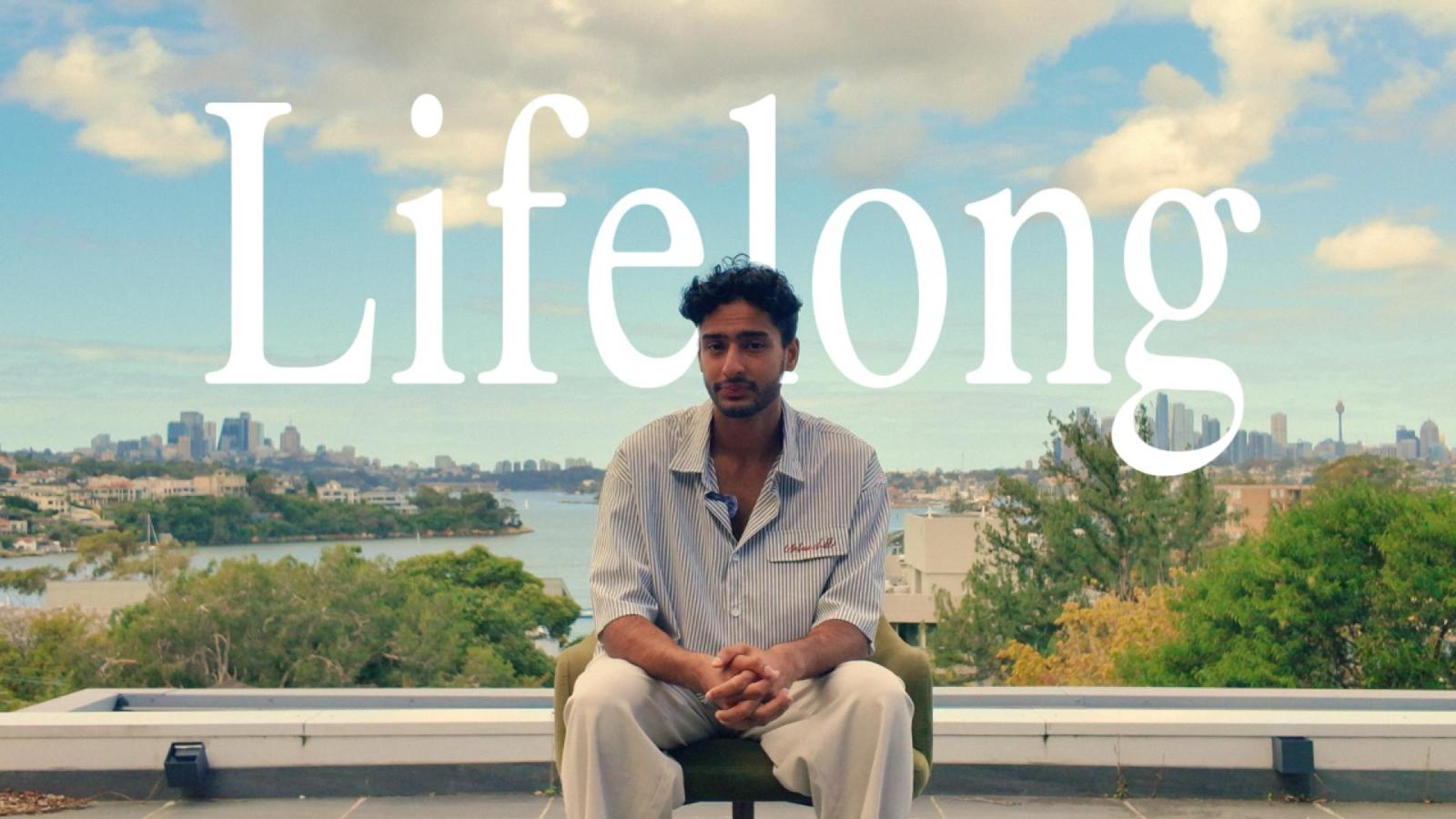
We have the words "craftsman" and "craftsmanship" sprinkled all over the software industry. It's been used to describe engineers with a strong eye to detail and this creative flair that traditional "coders" wouldn't usually have. It's normally limited to creative engineers or designers or engineers obsessed with brand. Param is the epitome of craftsman but not in any of the senses I listed above. Craftsmanship to me, is someone who builds in a way that transcends functional use. It's bespoke. It's layered in its design and functionality that the user feels like it's specifically tailored to them, and them only. That's how Param is building Lifelong.
Param gave me a rundown of his linear.app and the tasks were categorised to even cater for minute details within the Lifelong app. His approach is to go above and beyond with the intentionality of the experience. He wants his users to feel captivated but more importantly understood. When you're dealing with both family and health under one application, the room for poor customer experiences is exceedingly low. It's all about creating trust from the first moment.
"Sometimes I go into local mini-verses because there's all these little tweaks I need to be doing"
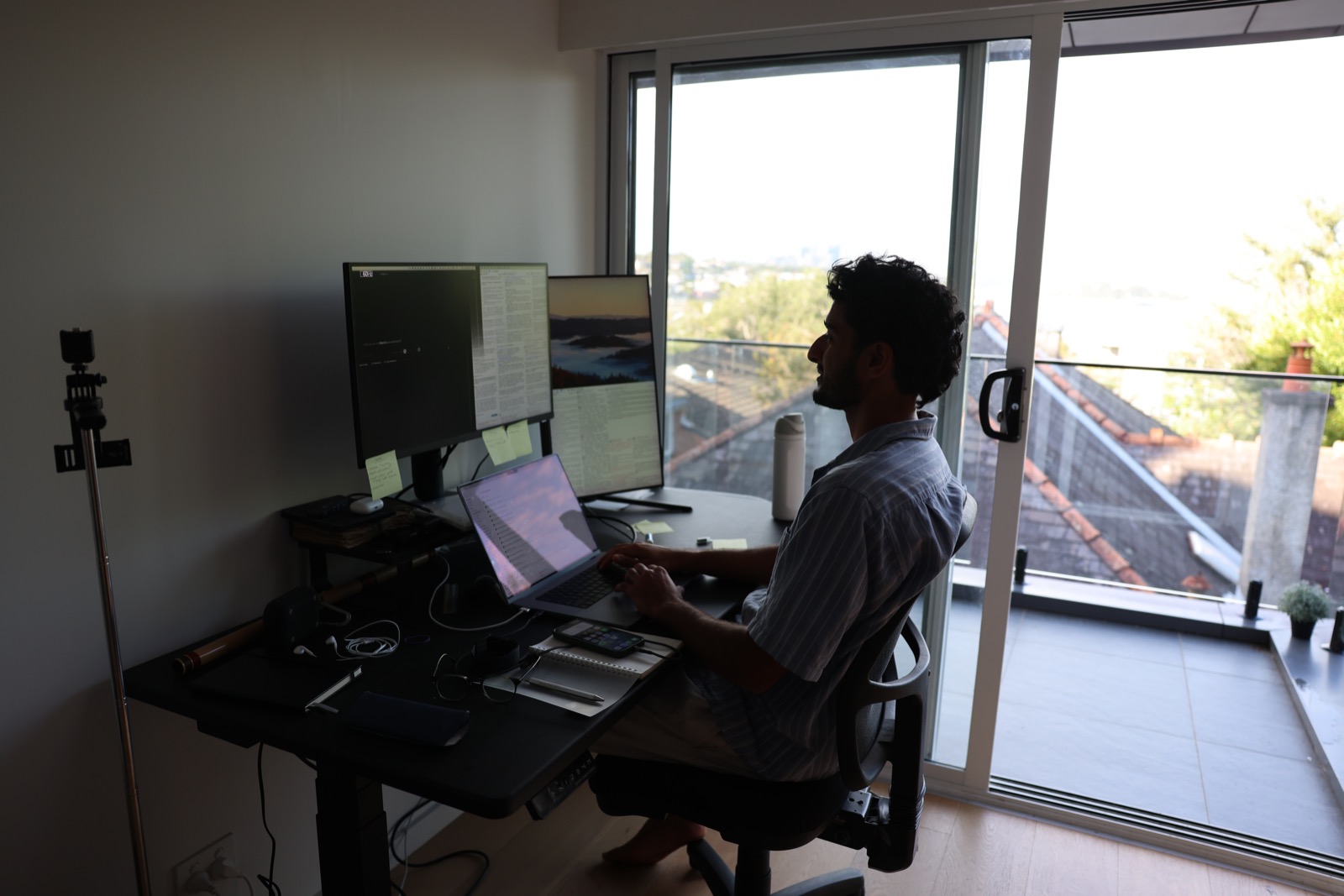
It's easy to get sucked into Param's world. Because he lives and builds so vibrantly. Whether it's how he explains his learnings from longevity hubs of the world or the extreme craftsman-like approach to building Lifelong, the one thing that is undeniable about Param is how he always brings back everything he does to that end user. To understand how he got here, you have to go back to where it all started.
A life in motion
Param accredits a lot of his career direction to his family. Both his father, an entrepreneur, and his brother (now at Everlab), have shown him glimpses of the world of entrepreneurship and startups from a young age. I believe that early exposure meant that the default path was never really an option. I first heard of Param when he entered the Arrayah accelerator. He had made the decision to leave Auckland behind to surround himself with incredible founders. Param puts a ton of respect and admiration to the environment Arrayah has built and the effect it's had on him as a founder.
"I've gotten such a huge friend and professional network in 3 months that it's pretty shocking that I didn't come sooner."
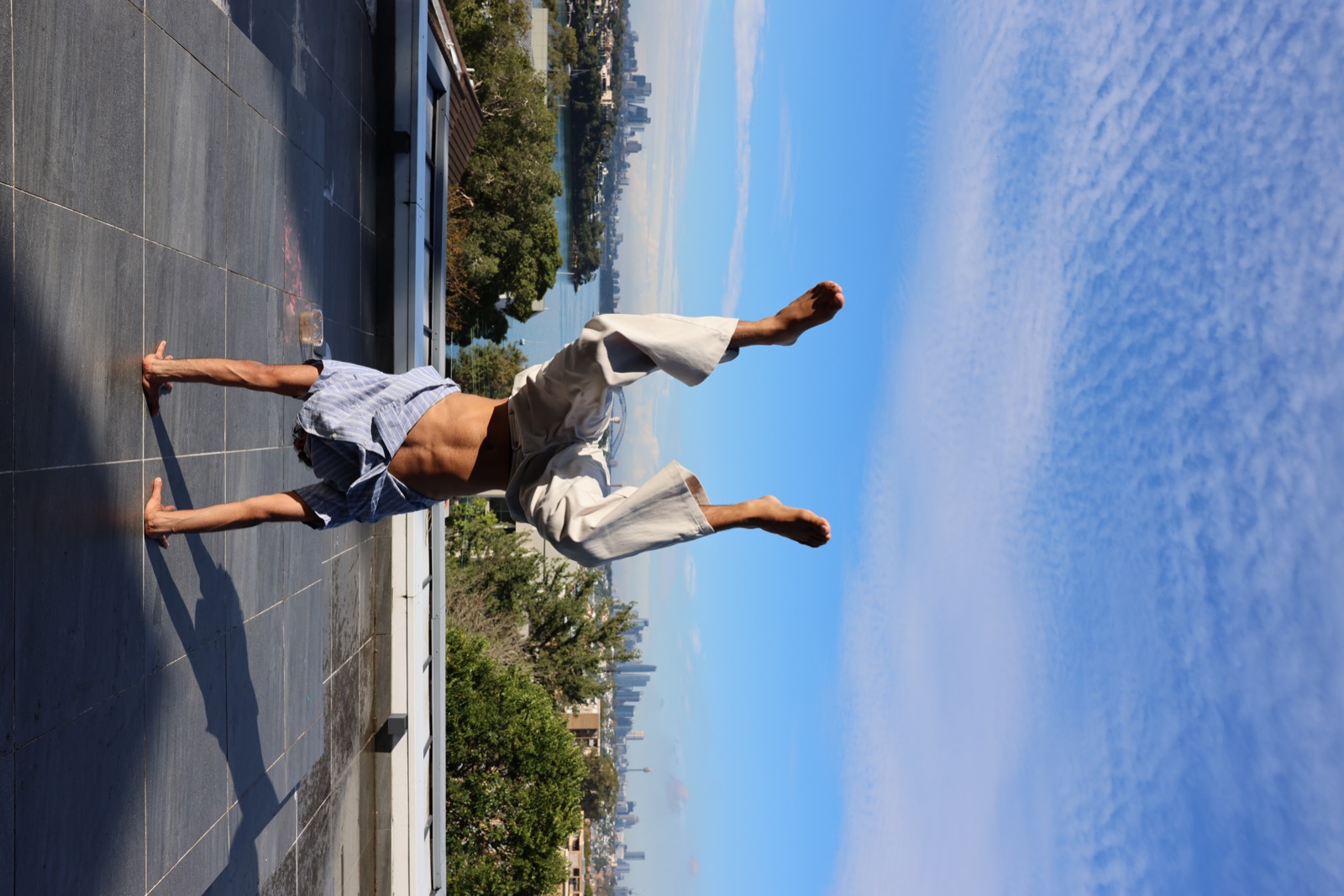
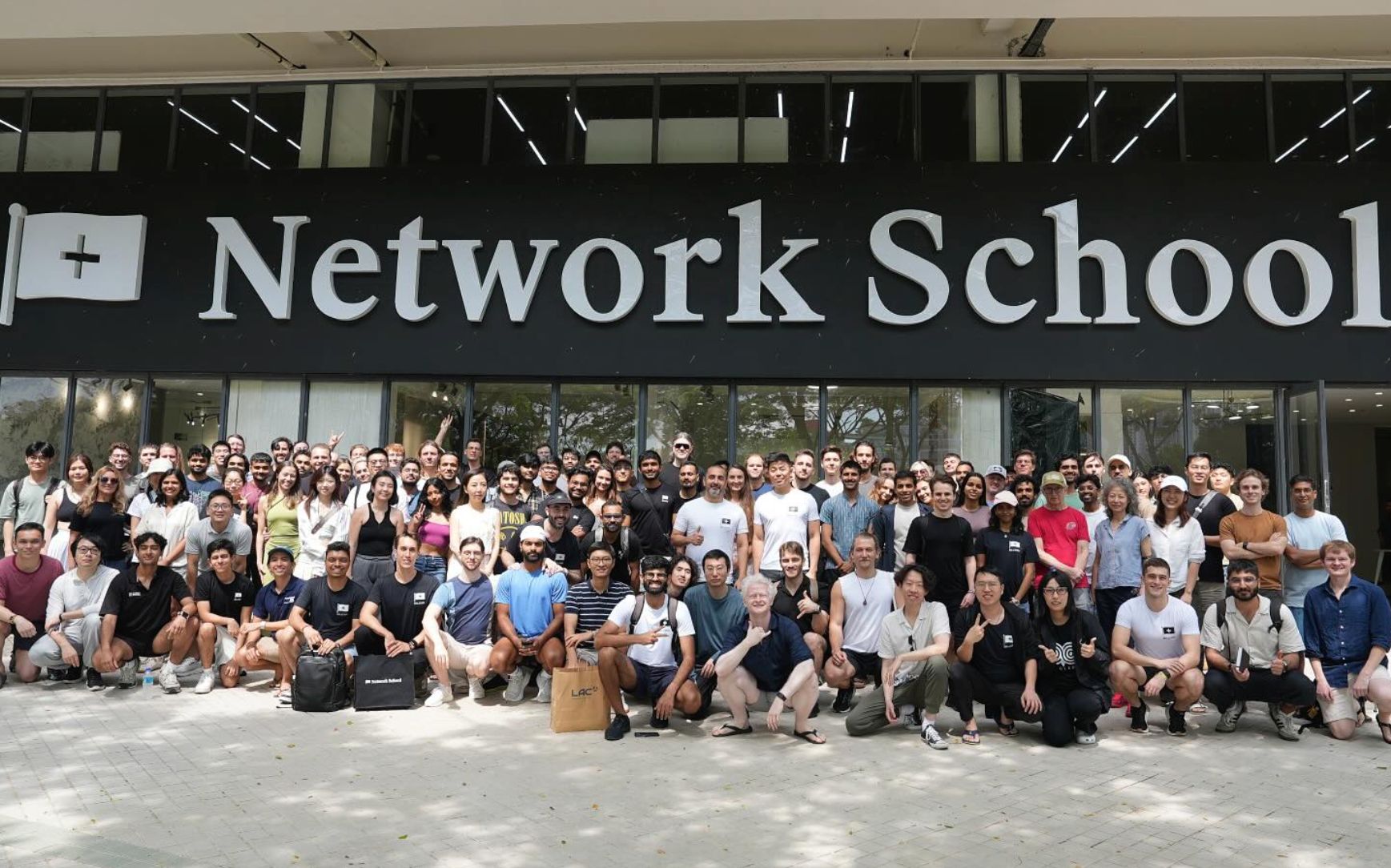
Surrounding himself with founders has been a game-changer move that Param has consistently made in his lifetime. Considering the role models within his family, it really was to little surprise when looking at his LinkedIn profile, that he's ventured to SF as part of his university's 'Vanguard Program', lived in 2 different parts of South Asia to build products, and now moved to Sydney on short notice. Before joining Arrayah, Param had already spent a few months in another accelerator based in Malaysia — living in a solarpunk city. Param was selected as one of the top 100 from over 4000 applicants worldwide to join 'The Network School'.
"All these people from around the world are doing incredible and different things to extreme depths. From crypto and quant traders to health and so on."
Despite his rapid growth in the environment, there was still a strong level of disconnect in the work he was doing. He used that time to experiment with agency-style work but ultimately felt disconnected from real problems and people.
"There's a level of disconnection to the work that you're doing. There wasn't enough randomness and entropy in the environment. I didn't have any good ideas. So that's why Sydney is great. Because I feel like I get to interact with real people, real problems, real issues and there's so much to enjoy here too."
After leaving the program, his family attended a wedding in Bali. If you're in the know about Indian weddings (especially in Bali), you know this is a grand affair. His brother decided to stay in Bali long-term and Param naturally followed suit. That's when they made great strides with a biohealth agency helping service the top wellness scale-ups in South East Asia. He built agentic workflows that helped connect clinicians, member biodata, and deep learning research into unified flows. After quickly scaling to $10K MRR in 2 months, Param made the unlikely decision to kill the studio.
In the end it didn't ultimately feel like something he could spend a significant amount of time on. This was simply a business. Nothing akin to that of a 'mission'. It was only when Param turned the lens back on himself — on his own family, his own roots — that the mission finally came into focus.
Born from ancestral trees
Whilst in Bali and exposed to the best wellness scale-ups the world had to offer, their approaches to health became embodied with his own lifestyle. He had built a strong mind-to-body connection on a spiritual level. These were new and interesting approaches to health that weren't just the gym bro chest/back/arms routine every week. Param ultimately took these spiritual learnings with him and passed them onto his parents. He knew that his parents could be doing more with their health. They could approach ageing and health with more intentionality and longevity.
"Current fitness is too rigid. It isn't what you think when you actually think of health. Health means wholeness, not just physical activity in the gym."
Lifelong was born from ancestral trees intertwined by branches of lost uncles, aunts, amas and nanis.1 It's not a health cure. A pill you can swallow to keep the pain at bay. An injection to take to stop the shakes. It's nurturing. It's getting to spend more time with your loved ones. It's a feeling that many of us take for granted until it's lost.
Health as wholeness
To explain what I mean by that, we have to look inwards towards culture. Generally, Indian families associate health to medication or curative means only. We usually lead more sedentary lifestyles and carbohydrate-orientated diets. Little room for 'proteinmaxxing' or rigorous physical activity. So it's not unusual to face serious health issues as we approach older age. Diabetes, heart disease and other chronic illnesses have become a generational cycle for a lot of Indian families. It's not uncommon for parents in their 50s and 60s to suffer a heart attack, for example. I too am worried about the state of my own parents. It doesn't come as a surprise to me that Param has the same worries. His parents are relatively young (mid 50s) yet have already started to make great strides in health through longevity-orientated wellness.
Lifelong is an antithesis to this cautionary approach to health. Something I relate to coming from an Indian culture is the fact that "you're more scared of doing something wrong than doing good for yourself". The first time I went to the gym and bought some protein powder, I was immediately met with a barrage of questions from my own parents. "What's in the powder?" "Why do you need to go to the gym?" It's very cautionary. Turns out I wasn't alone in this. Many families across many cultures come with a "ask questions, don't take action" approach to health. However, with time and education we can go from cautionary to proactive. Now my Dad goes to the gym 3x a week despite being 60 years old. Lifelong is here to systemically reframe this caution into day-one proactivity and monitoring.
Although Lifelong's core is embedded in longevity for family health, it's also about helping families in those everyday moments of stress and pain. How does a child get peace of mind that their parents are taking their medication? How do we know what the latest GP consultation said to our Mum to manage her chronic condition? There are so many instances of disconnection in family health especially as commitments start to drift us apart in these everyday moments. We cannot be everywhere all at once. Many of us travel away from our family to seek new opportunities. But health will not wait for us. It will not wait for everything we ever wanted to play out in our lives. It will not wait for you to see your grandkids grow up. Health is a constant force that is generally degrading as the clock ticks one more time. Param is intending to create a system where health doesn't need to be managed in silos. Where families have control and visibility of the people they hold dear. That control gives power and knowledge. Power to take action when needed and knowledge to make informed decisions.
Param's brother once said that small, focused companies always have the edge. By the time competitors figure out what focused builders are doing and try to copy it, they're already onto the next thing. That's how Param is building Lifelong. He's dedicated to his craft. Not worried about what others are doing. Just building so intentionally, so specifically for the people he loves, that the gap only widens between himself and everyone else.
Give Param a follow. Trust me on this one.
1 Words for mother in different Hindu dialects.
Get new pieces in your inbox.
Subscribe